


What Can You Power with a Mini Solar System?

With energy prices on the rise and a growing interest in sustainable living, mini solar systems are a smart way to cut down on power bills. Inspired by the success of Balkonkraftwerk systems in Europe, these compact plug-and-play solar kits are now gaining popularity in New Zealand.
But what exactly can you power with one? And just as important—what can’t you do? Let’s break it down.
Understanding Mini Solar Systems
A mini solar system—also called a plug-in solar kit or balcony solar system—is a small-scale solar setup designed to offset part of your electricity usage during the day. It usually includes:
2 or 4 solar panels
A micro-inverter that connects to your phone
A mounting kit
A 240V cable to connect to a standard power socket
These systems are grid-tied, meaning they supply solar power into your home’s electrical circuit only when the grid is active. They're ideal for reducing daytime energy use—but not for backup or off-grid power.
What You Can Power with a Mini Solar System
A mini solar system helps power appliances that are running during sunny daytime hours—reducing how much electricity you draw from the grid.
For example, with a 800W microinverter system, you can cover part or all of the power needs of:
Typical Daytime Loads You Can Offset:
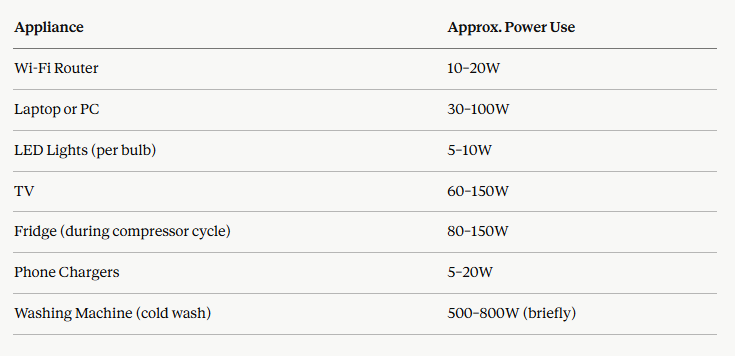
Your solar system won’t “power” these directly—it simply reduces how much power they draw from the grid while the sun is shining.
What You Can’t Do
Here’s where it’s important to set expectations:
Mini Solar Systems Are Not for:
Off-grid use (there will be an extension later)
Blackout or emergency power
Battery storage (unless added separately)
High-draw appliances (e.g. ovens, heaters, air conditioning)
Most mini solar systems are designed to shut off during a power outage. This is a safety feature known as "anti-islanding" that prevents solar power from flowing into the grid while lines are down. In short: no grid = no power, even if the sun is shining.
Why These Systems Make Sense in New Zealand
New Zealand’s electricity prices—especially in urban areas—make these systems a great value over time. If you’re home during the day (or run devices like fridges or routers 24/7), a mini solar system can lower your bills with no need for a full solar installation.
Plus, they’re:
Easy to install (DIY-friendly)
Perfect for renters, small households, and apartments
Low maintenance
The Benefits of Mini Solar Systems
Cost Savings
One of the biggest advantages of mini solar systems is the potential for significant cost savings. By generating your own electricity, you can reduce your reliance on the grid. This means lower electricity bills, which can add up over time.
Environmental Impact
Using solar energy is a great way to reduce your carbon footprint. By harnessing the sun's power, you contribute to a cleaner environment. Every bit of solar energy you use means less reliance on fossil fuels.
Portability
Another fantastic feature of mini solar systems is their portability. If you move to a new rental property, you can easily take your system with you. This is a huge plus for renters who want to invest in renewable energy without committing to a permanent installation.
Installation Made Easy
DIY Installation
Installing a mini solar system is straightforward. Most kits come with clear instructions, making it easy for anyone to set up. You don’t need to be an expert to get started. Just follow the steps, and you’ll be generating solar power in no time!
Maintenance Tips
Regular Checks
While mini solar systems are low maintenance, it’s still a good idea to check them regularly. Ensure the solar panels are clean and free from debris. This will help maximize their efficiency.
Monitoring Performance
Keep an eye on your system's performance through the micro-inverter app. This allows you to see how much energy you’re generating and using. If you notice any issues, you can address them promptly.
Conclusion
In summary, mini solar systems are an excellent choice for New Zealand homeowners and renters looking to save money and reduce their environmental impact. They offer a plug-and-play solution that’s easy to install and maintain. With the potential for cost savings and portability, it’s no wonder they’re gaining popularity.
If you’re ready to make the switch to solar, consider investing in a mini solar system today. You’ll be taking a step towards a more sustainable future while enjoying the benefits of lower electricity bills.
For more information on how to get started with your own mini solar system, check out MyMiniSolar.

Comments